Built for Reliability
Always in Stock
Our North American distribution network ensures your packaging arrives when you need it. Standard sizes ship within 24 hours.
Transparent Pricing
No hidden fees, no surprises. Volume discounts scale with your business. Price quotes valid for 90 days.
Sustainable Materials
Curbside recyclable rPET liners. Infinitely recyclable, FDA-approved, and certified for closed-loop recycling.
Specialized for Your Industry
GLP-1 Pharmaceuticals
Semaglutide, Tirzepatide, and other GLP-1 medications require precise 2-8°C control. Our ISTA 7E validated solutions ensure consistent performance across your entire supply chain.
Learn More →Confectionary & DTC
Premium chocolate, gummies, and confections demand temperature control without breaking the bank. Sustainable, cost-effective solutions for direct-to-consumer brands.
Learn More →Perishables & Seafood
Meat, seafood, dairy, and meal kits benefit from extended cold chain protection. Our insulation science keeps premium foods fresh door-to-door.
Learn More →Our Complete Lineup
Shipping Kits
Insulated corrugated boxes engineered for maximum performance. Available in dozens of sizes.
View Details →Insulated Liners
Curbside recyclable box liners made from rPET. Styrofoam performance, 40% lighter weight.
View Details →Insulated Mailers
The first fully recyclable thermal mailer. Perfect for small shipments and DTC brands.
View Details →Gels
Precision refrigerant packs. Multiple configurations for every temperature requirement.
View Details →Ready to Transform Your Cold Chain?
Get a custom quote for your shipping needs. No commitments, no hidden fees.
Specialized Packaging for Every Market
Engineered solutions for your cold chain challenges
GLP-1 Pharmaceuticals
Temperature-critical medications like Semaglutide and Tirzepatide demand unwavering precision. Our packaging maintains 2-8°C stability across entire shipment windows.
- ISTA 7E validated
- FDA-approved materials
- 24-72 hour protection
- Real-time tracking ready
Confectionary & DTC
Direct-to-consumer chocolate, gummies, and premium confections require elegant yet durable packaging. Sustainable materials that align with premium brand values.
- Eco-friendly rPET liners
- Custom branding available
- Cost-optimized sizing
- 24-48 hour hold time
Perishables & Seafood
Premium meats, seafood, and meal kits travel further than ever. Our extended cold chain protection keeps products pristine from warehouse to doorstep.
- Extended 72+ hour protection
- Heavy-duty construction
- Moisture management
- Custom sizing available
GLP-1 Cold Chain Solutions
Precision packaging for Semaglutide, Tirzepatide, and other critical medications
The Challenge
GLP-1 medications represent some of the most temperature-sensitive products in modern pharmaceuticals. Semaglutide and Tirzepatide require consistent 2-8°C control throughout the entire cold chain—from manufacturer to patient doorstep. A single temperature excursion can compromise medication efficacy and create liability for your organization.
Our Solution
Meridian's insulated box and rPET liner systems are specifically engineered for GLP-1 pharmaceuticals. Every configuration is ISTA 7E validated, uses FDA-approved materials, and delivers consistent 24, 48, or 72-hour protection windows.
ISTA 7E Validated
Every size configuration passes rigorous ISTA 7E testing under summer conditions (95°F ambient, 95% RH).
FDA-Approved Materials
Direct food contact approved rPET liners. No PVC, no harmful adhesives. Safe for any medication shipment.
Pharma-Grade Documentation
Certificate of Analysis, material certifications, and validation reports available for every order.
Recommended Configurations
| Product | Size | Hold Time | Typical Use |
|---|---|---|---|
| rPET Liner | 6×6×6" | 24 hrs @ 2-8°C | Single vial, sample shipments |
| rPET Liner | 10×10×10" | 48 hrs @ 2-8°C | Multi-vial kits, standard shipments |
| Insulated Box | 12×12×12" | 72 hrs @ 2-8°C | Bulk orders, clinical trial shipments |
| rPET Mailer | 12×14" (1.375") | 39 hrs @ 2-8°C | Premium DTC, sample programs |
"Every GLP-1 shipment is mission-critical. Our systems ensure zero temperature excursions, 100% of the time."
Confectionary Cold Chain
Sustainable packaging for chocolate, gummies, and premium confections
The DTC Confectionary Challenge
Premium confectionary brands—especially in the DTC space—face a unique packaging challenge. You need reliable temperature control to protect chocolate and gummies during transit, but you're also managing thin margins and sustainability expectations from modern consumers. Traditional foam solutions work but generate guilt. Your customers want packaging they feel good about.
Why Meridian for Confectionary
Curbside Recyclable
Made from recycled water bottles (rPET). Your customers throw it in the blue bin. Your brand looks sustainable and responsible.
Cost Competitive
40% lighter than equivalent foam. Real shipping cost savings. Transparent pricing scales with your volumes.
Proven Performance
24-48 hour protection in standard summer conditions. Hundreds of DTC brands shipping successfully since 2022.
Popular Configurations
| Product | Internal Dimensions | Typical Contents | Hold Time |
|---|---|---|---|
| rPET Mailer 12×14" | 9×11×1.5" | Chocolate assortment, gummy packs | 24-30 hrs |
| rPET Liner 8×8×8" | 8×8×8" | Premium chocolate box set | 24-36 hrs |
| rPET Liner 10×10×10" | 10×10×10" | Mixed confectionary assortment | 36-48 hrs |
Perishables & Seafood Cold Chain
Extended cold chain protection for meat, seafood, dairy, and meal kits
The Perishables Challenge
Premium seafood, artisanal meats, specialty dairy, and meal kit companies operate on the edge of logistics. Your products ship longer distances than ever, through hotter seasons, and customer expectations for "fresh arrival" have never been higher. A single spoilage incident damages reputation and creates liability.
Extended Cold Chain Solutions
Meridian specializes in extended hold times. Our insulated box system with premium gel packs delivers consistent 72+ hour protection at safe temperatures (2-8°C for dairy/sushi, 28-32°F for meats/seafood).
72+ Hour Hold
Heavy-duty insulated box configurations maintain target temperatures across continental shipments.
Moisture Management
Vapor barriers and absorption systems keep products dry and pristine through humidity cycles.
Bulk Packaging
Custom dimensions available for bulk perishable orders, charcuterie boxes, and wholesale shipments.
Recommended Solutions by Product Type
| Product Type | Recommended Box | Target Temp | Typical Hold |
|---|---|---|---|
| Premium Seafood | Insulated Box 12×12×12" | 28-32°F | 72+ hrs |
| Artisanal Meat | Insulated Box 12×12×12" | 28-32°F | 72+ hrs |
| Specialty Dairy | Insulated Box 10×10×10" | 2-8°C | 48-60 hrs |
| Premium Meal Kits | Insulated Box 10×10×10" | 2-8°C | 48-72 hrs |
The Complete Meridian Lineup
Engineered solutions for every cold chain requirement
Shipping Kits
Pre-configured box and liner combos, tested and ready to ship. One order, complete cold chain protection.
- Box + rPET liner included
- ISTA 7E pre-validated
- 4 stock sizes
- Ships same day
Insulated Liners
rPET recyclable liners and WaveKraft paper-based insulation. Two technologies, one goal: keep it cold.
- rPET + WaveKraft options
- Curbside recyclable
- 40% lighter than EPS
- Multiple stock sizes
Insulated Mailers
Two mailer technologies: rPET recyclable and self-inflating expandable mailers.
- rPET & Expandable
- Up to 48 hour hold
- Multiple sizes in stock
- Compression tested
Gel Packs & Refrigerants
Standard, No Sweat, Foam Brick, and Drain Safe formulations. Complete refrigerant catalog for every application.
- 4 formulation types
- 3oz to 64oz sizes
- ISTA 7E validated
- Reusable & eco-friendly
Shipping Kits
Pre-configured box and liner kits ready to ship
What are Shipping Kits?
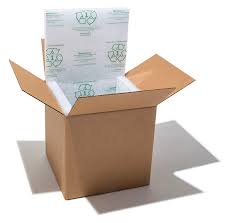
Meridian Shipping Kits pair a corrugated box with 1.5" rPET insulation, pre-tested and ready to pack. Every kit is ISTA 7E validated. One order, complete cold chain protection — no guessing on sizing, no separate component sourcing.
Available Kit Sizes
8×8×8" Kit
Compact solution for small shipments. Ideal for samples and lightweight products.
- Corrugated box — 8×8×8" ID
- 1.5" rPET insulation included
- 36 hr hold @ 2-8°C
9×9×9" Kit
Balanced size for most applications. Best seller for pharmaceutical shipments.
- Corrugated box — 9×9×9" ID
- 1.5" rPET insulation included
- 36 hr hold @ 2-8°C
10×10×10" Kit
Most versatile. Accommodates most product sizes and configurations.
- Corrugated box — 10×10×10" ID
- 1.5" rPET insulation included
- 48 hr+ hold @ 2-8°C
12×12×12" Kit
Heavy-duty solution for bulk shipments and extended protection.
- Corrugated box — 12×12×12" ID
- 1.5" rPET insulation included
- 48 hr+ hold @ 2-8°C
What's in the Kit?
| Component | Description | Qty |
|---|---|---|
| Corrugated Box | Sturdy corrugated outer box (dimensions are internal/ID) | 1 |
| 1.5" rPET Insulation | Recyclable thermal barrier, FDA-approved, curbside recyclable | 1 |
Why Buy Kits?
Convenience
One SKU, one invoice. No coordinating multiple suppliers or managing inventory across product families.
Pre-Tested
Every kit configuration is ISTA 7E validated. Tested performance, zero surprises.
Cost Savings
Bundle pricing. 15-20% savings versus buying components separately.
"Shipping Kits eliminate guesswork. One box, complete protection."
Insulated Liners
rPET recyclable and WaveKraft paper-based thermal barriers
rPET Insulated Liners
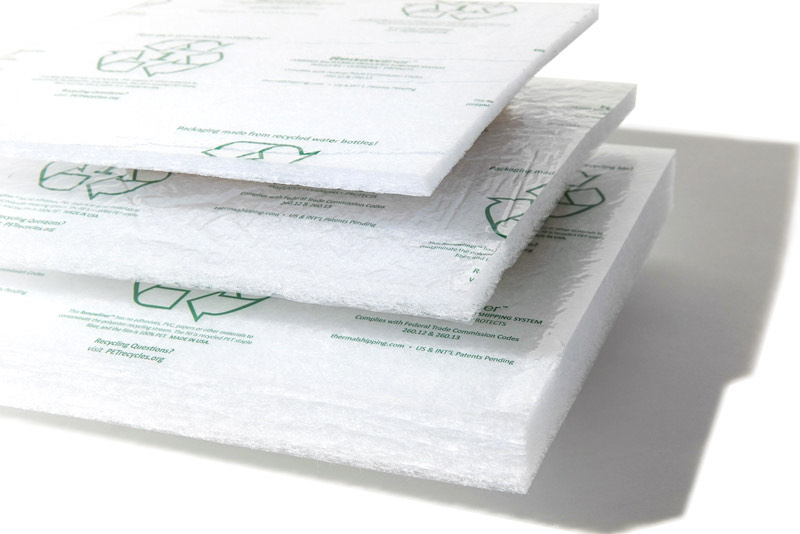
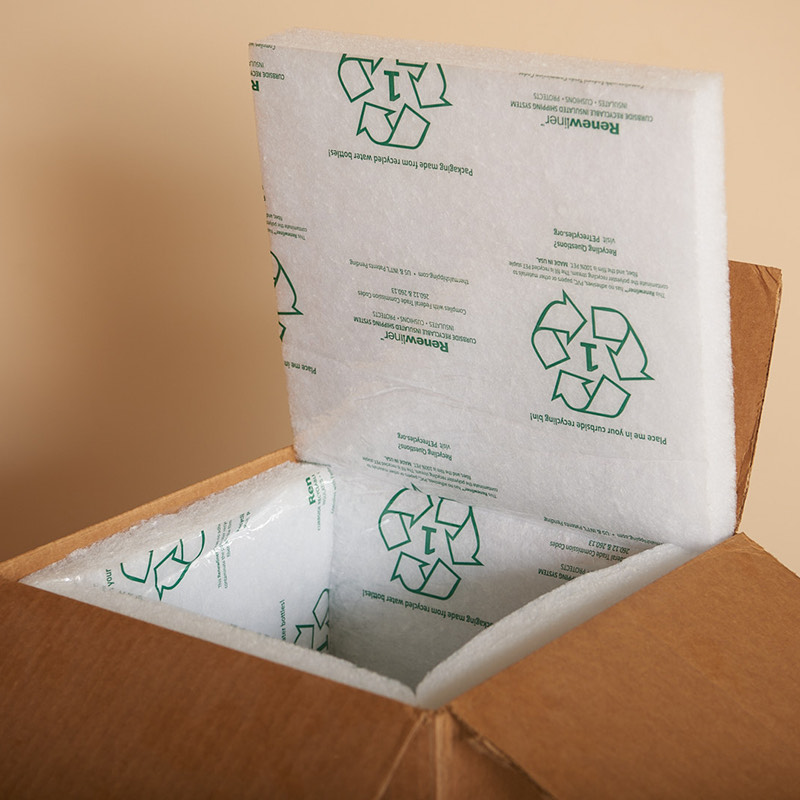
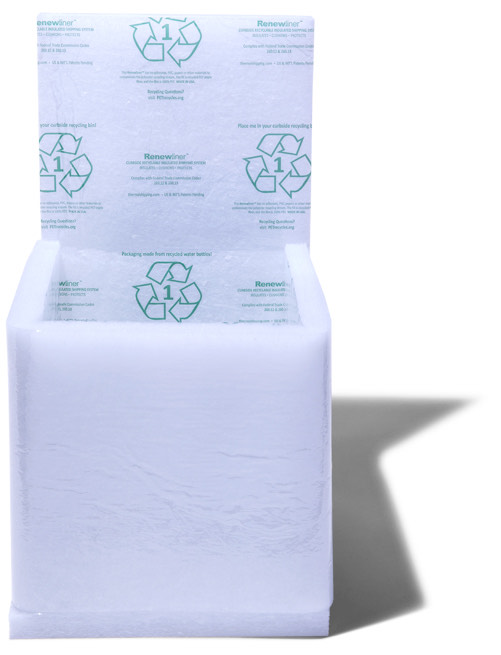
Meridian's rPET liners are 100% recyclable thermal barriers made from closed-loop recycled polyester. They deliver Styrofoam performance while being curbside recyclable. ISTA 7E validated for 24, 48, and 72-hour protection windows.
Gallery
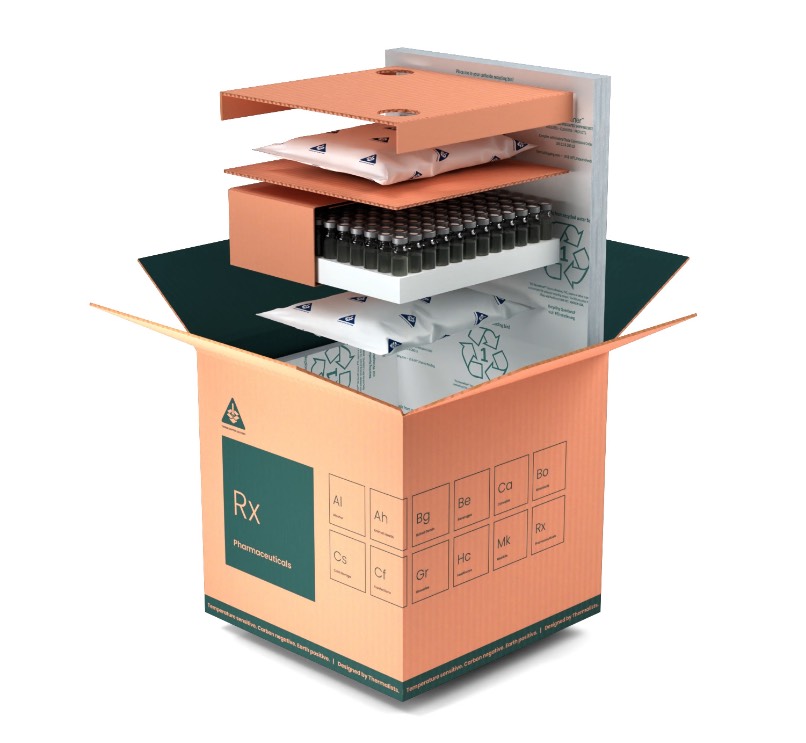
Key Features
100% Recyclable
Made from closed-loop rPET. Curbside recyclable in most U.S. markets. Zero guilt for your customers.
40% Lighter
Equivalent performance to foam at 40% less weight. Real shipping cost savings per box.
ISTA 7E Tested
Every configuration pass rigorous validation testing under summer shipping conditions.
Stock Sizes & Hold Times
| Size | Internal Dimensions | 24 Hr Hold | 48 Hr Hold | 72 Hr Hold |
|---|---|---|---|---|
| 8×8×8" | 7.5×7.5×7.5" | ✓ Standard | ✓ w/Gels | - |
| 9×9×9" | 8.5×8.5×8.5" | ✓ Standard | ✓ Standard | ✓ w/Gels |
| 10×10×10" | 9.5×9.5×9.5" | ✓ Standard | ✓ Standard | ✓ Standard |
| 12×12×12" | 11.5×11.5×11.5" | ✓ Standard | ✓ Standard | ✓ Standard |
WaveKraft Paper-Based Liners
Our newest innovation: WaveKraft is a 100% recyclable, paper-based thermal insulation. On-demand production, 80% space savings vs. foam, and the most sustainable option for eco-conscious brands.
Key Advantages
Paper-Based
100% cellulose fibers. Industrially compostable. The greenest option available.
Space Efficient
80% smaller than equivalent foam. Massive warehouse space savings and shipping cost reduction.
On-Demand
Custom configurations. No minimum orders. Perfect for small businesses and seasonal peaks.
"Engineered to perform. Designed to be recycled."
Insulated Mailers
Three technologies for every mailer need
rPET Insulated Mailers
Our flagship thermal mailer. 100% curbside recyclable rPET construction delivers up to 48 hours of temperature protection in a lightweight, sustainable package. Perfect for DTC brands and pharmaceutical sample programs.
Gallery

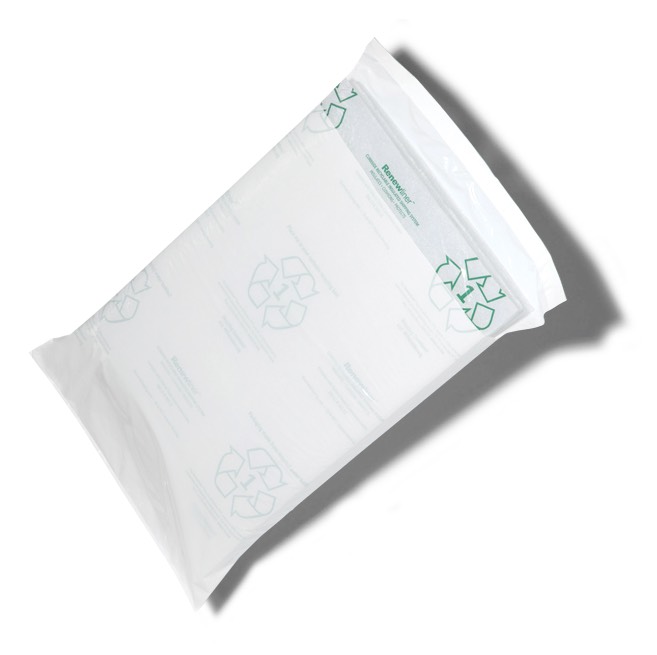
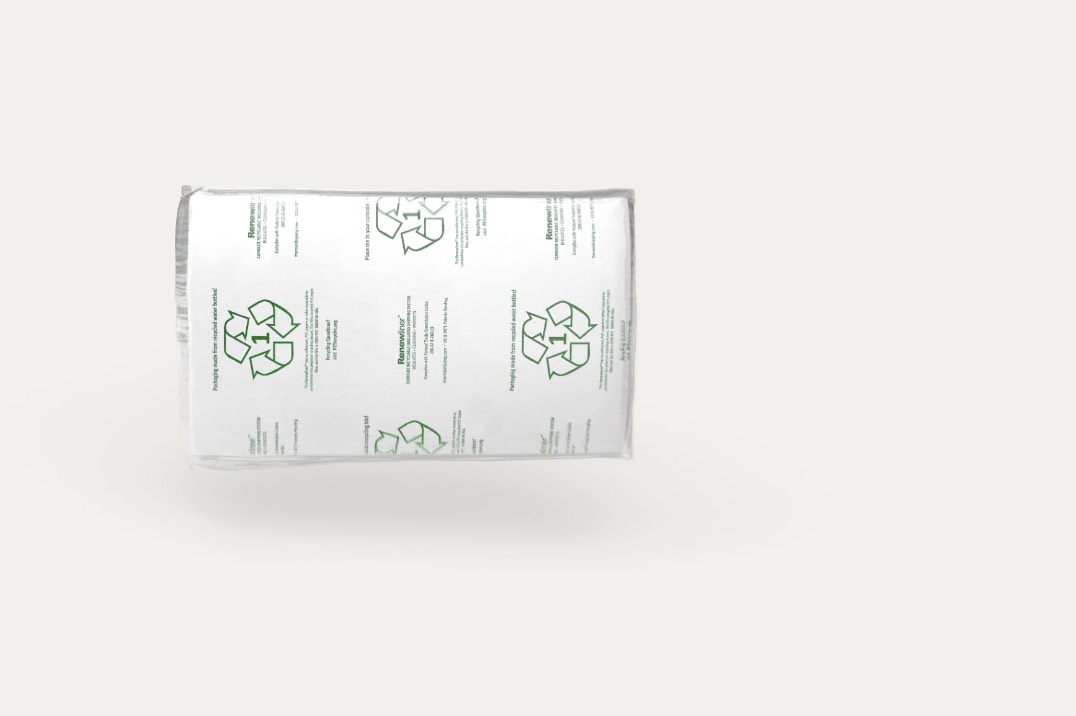
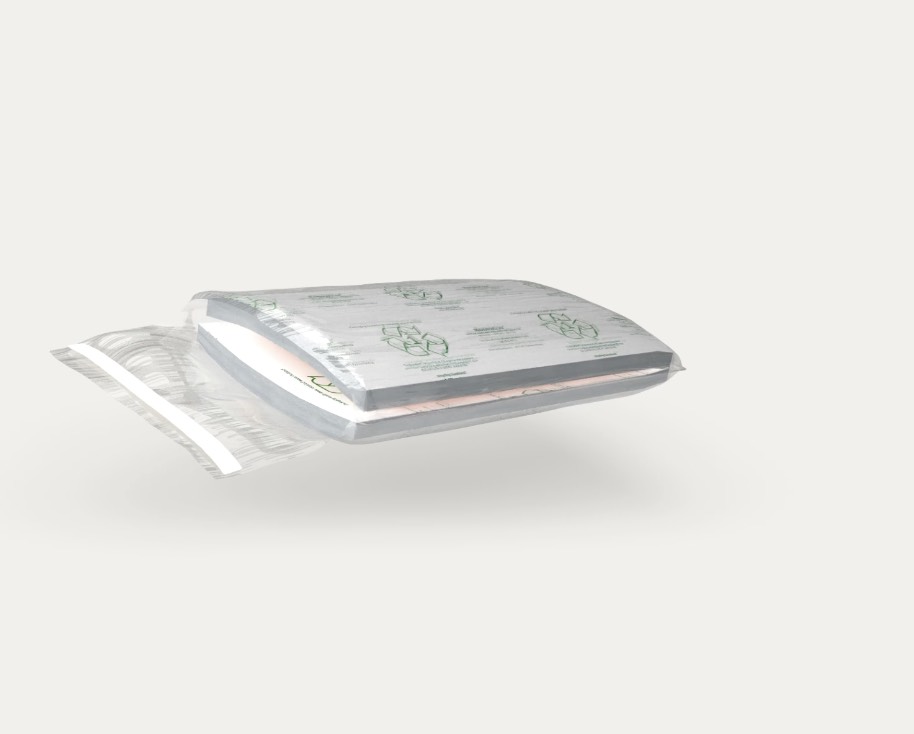
rPET Mailer Specifications
| Size | External | Internal | Capacity | Hold Time |
|---|---|---|---|---|
| Small | 9×12" | 7×10×1.5" | Up to 2 lbs | 24 hrs |
| Medium | 12×14" | 9×11×1.5" | Up to 5 lbs | 39 hrs |
| Large | 14×18" | 11×15×1.5" | Up to 8 lbs | 48 hrs |
Self-Inflating Expandable Mailers
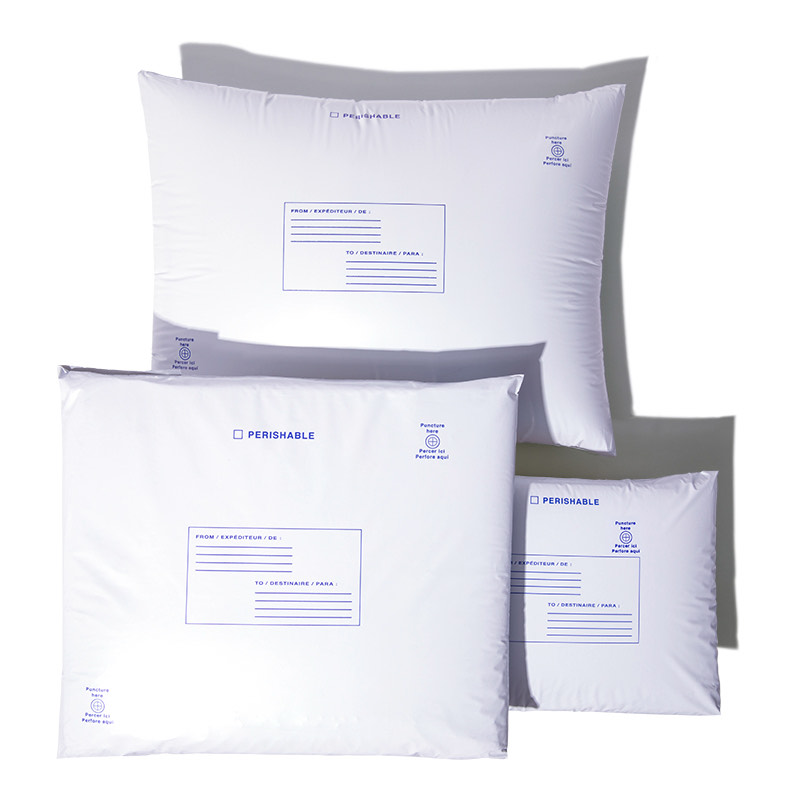
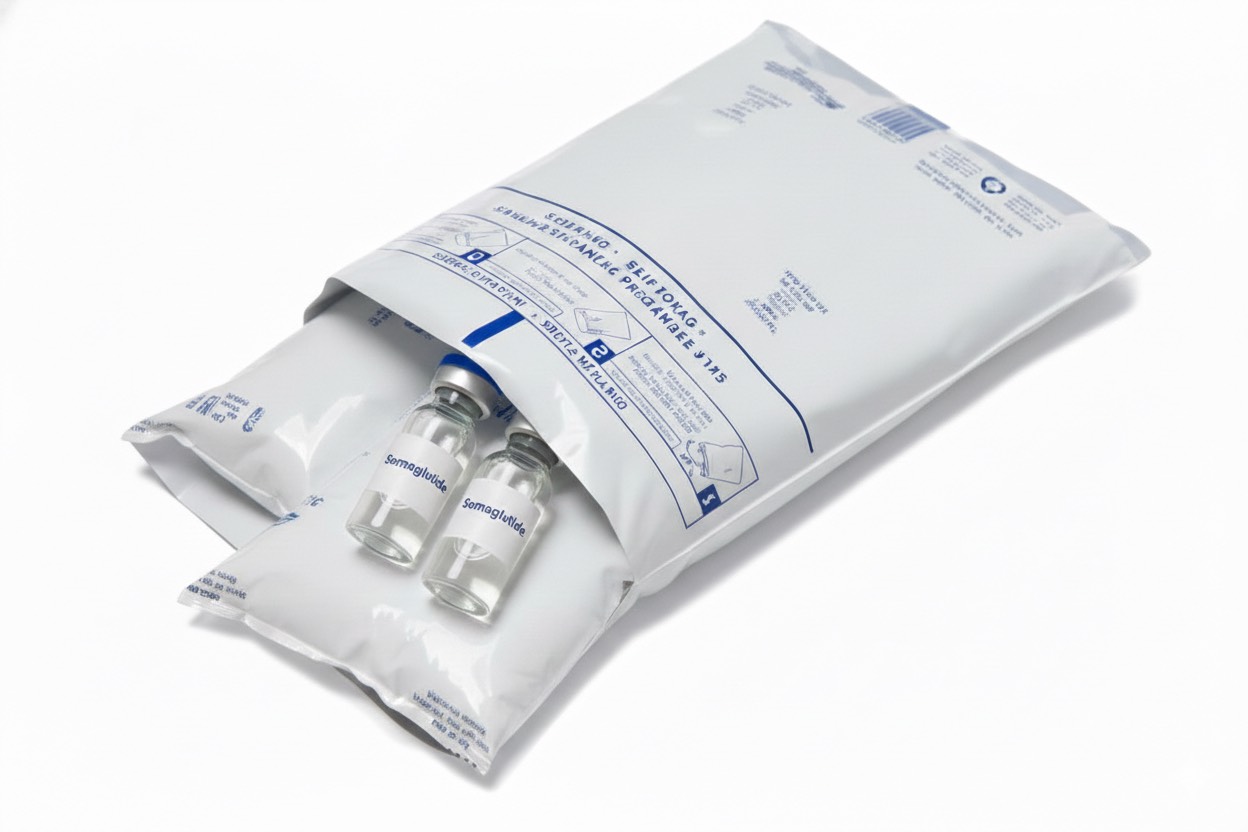
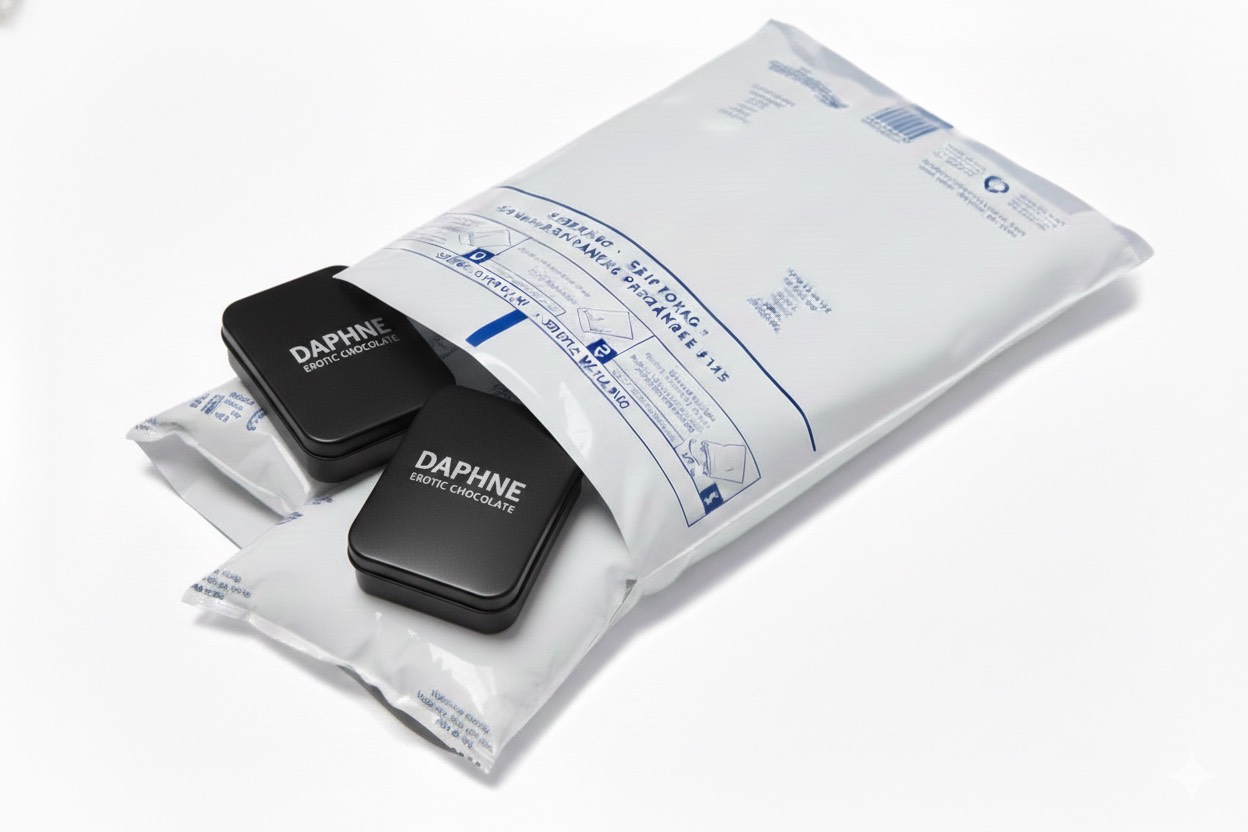
Revolutionary self-inflating design. Pierce the valve to inflate. 87% smaller in storage, 30% lighter than EPS coolers, and fully compression tested to ISTA 7E standards. Perfect for e-commerce and high-volume DTC.
How It Works
1. Compact
Arrives flat. 87% less space than traditional coolers.
2. Pierce Valve
Use included needle to perforate the inflation valve.
3. Inflate
Self-inflating technology fills to exact dimensions in seconds.
4. Pack & Ship
Fully expanded and ready. 48-hour ISTA 7E protection.
Expandable Mailer Specifications
| Size | Expanded Dimensions | Storage Footprint | Capacity | Hold Time |
|---|---|---|---|---|
| Small | 10×12×4" | 10×12×0.5" | 3-4 lbs | 24 hrs |
| Medium | 12×14×5" | 12×14×0.5" | 5-7 lbs | 36 hrs |
| Large | 14×18×6" | 14×18×0.5" | 8-10 lbs | 48 hrs |
| Extra Large | 18×24×8" | 18×24×0.5" | 12-15 lbs | 48 hrs |
"Mailers for every business size. rPET for sustainability, Expandable for efficiency."
Gel Packs & Refrigerants
Precision refrigerants for every cold chain requirement
Our gel packs and refrigerants are durable, reusable, long-lasting polymer ice packs engineered for temperature-sensitive shipping. ISTA 7E validated, non-toxic, and eco-friendly, they're ideal for pharmaceuticals, food, perishables, and meal kits. Each pack features a heat-sealed polyethylene wrapper for durability and reliability in demanding cold chain environments.
Reusable & Eco-Friendly
Built for repeated use with minimal environmental impact. Our gel packs support sustainable cold chain practices.
ISTA 7E Validated
Tested and certified to meet international shipping standards for temperature-controlled packaging.
Multiple Formulations
Standard, No Sweat, Foam Brick, and Drain Safe options to match your specific requirements.
Nationwide Shipping
Reliable delivery across the U.S. with liftgate service available for heavy shipments.
Standard Ice Packs
| Product | Item # | Dimension | Units/Case | MOQ |
|---|---|---|---|---|
| 3oz Ice Pack | GI-NR3 | 3¼ x 4 x ⅝ | 192 | 8 |
| 4oz Ice Pack | GI-NR4 | 4½ x 4 x ½ | 144 | 10 |
| 6oz Ice Pack | GI-NR6 | 5½ x 3½ x ¾ | 96 | 16 |
| 8oz Ice Pack | GI-NR8 | 6 x 4 x ¾ | 72 | 19 |
| 12oz Ice Pack | GI-NR12 | 6 x 6 x ¾ | 48 | 27 |
| 16oz Ice Pack | GI-NR16 | 6 x 6 x 1 | 36 | 35 |
| 16oz Ice Pack Long | GI-NR16B | 7½ x 4 x 1¼ | 36 | 35 |
| 24oz Ice Pack | GI-NR24 | 8 x 6 x 1 | 24 | 42 |
| 32oz Ice Pack | GI-NR32 | 10 x 6 x 1 | 18 | 45 |
| 48oz Ice Pack | GI-NR48 | 10 x 7½ x 1¼ | 12 | 50 |
No Sweat Ice Packs
No Sweat packs feature a moisture-absorbing exterior that eliminates condensation buildup, keeping packaging dry and labels intact.
| Product | Item # | Dimension | Units/Case | MOQ |
|---|---|---|---|---|
| 8oz No Sweat | GI-NR8MG | 6 x 4 x ¾ | 72 | 14 |
| 12oz No Sweat | GI-NR12MG | 6 x 6 x ¾ | 48 | 17 |
| 16oz No Sweat | GI-NR16MG | 6 x 6 x 1 | 36 | 22 |
| 24oz No Sweat | GI-NR24MG | 8 x 6 x 1 | 24 | 25 |
| 32oz No Sweat | GI-NR32MG | 10 x 6 x 1 | 18 | 28 |
| 48oz No Sweat | GI-NR48MG | 10 x 7½ x 1¼ | 12 | 31 |
Foam Bricks
Foam bricks offer rigid, high-density thermal mass that maintains temperature longer than standard gel packs. Ideal for pharmaceutical and clinical applications.
| Product | Item # | Dimension | Units/Case | MOQ |
|---|---|---|---|---|
| 7oz Foam Brick | GI-NB7 | 4½ x 4 x ¾ | 72 | 10 |
| 15oz Foam Brick | GI-NB15 | 4½ x 4 x 1½ | 36 | 15 |
| 18oz Foam Brick | GI-NB18 | 8¼ x 5½ x 1¾ | 36 | 13 |
| 23oz Foam Brick | GI-NB23 | 5 x 5 x 1¾ | 36 | 14 |
| 24oz Foam Brick | GI-NB24 | 6½ x 4½ x 1½ | 24 | 15 |
| 31oz Foam Brick | GI-NB31 | 9 x 4 x 1½ | 18 | 18 |
| 56oz Foam Brick | GI-NB56 | 11¼ x 9¼ x 1 | 12 | 13 |
| 64oz Foam Brick | GI-NB64 | 10½ x 7 x 1¾ | 10 | 14 |
Drain Safe
Drain Safe gel packs use a non-toxic, water-soluble formula that can be safely poured down the drain after use. The outer pouch is recyclable.
| Product | Item # | Dimension | Units/Case | MOQ |
|---|---|---|---|---|
| 8oz Drain Safe | GI-NR8DS | 6½ x 4 x ¾ | 72 | 50 |
| 12oz Drain Safe | GI-NR12DS | 6 x 5½ x 1 | 48 | 50 |
| 16oz Drain Safe | GI-NR16DS | 6½ x 5½ x 1 | 36 | 50 |
| 24oz Drain Safe | GI-NR24DS | 7½ x 5½ x 1¼ | 24 | 50 |
| 32oz Drain Safe | GI-NR32DS | 10½ x 5½ x 1¼ | 18 | 50 |
| 48oz Drain Safe | GI-NR48DS | 10½ x 7½ x 1¼ | 12 | 50 |
| 64oz Drain Safe | GI-NR64DS | 11 x 7½ x 1¾ | 8 | 50 |
All cases weigh 37 lbs. Lead time is 3 weeks. Freight costs vary; liftgate service available.
North American Hub Network
13 locations with gel manufacturing and warehouse fulfillment coast to coast
Our Network Advantage
Meridian operates 13 locations across the continental US — seven with on-site gel manufacturing plus warehousing, and six dedicated warehouse facilities. This coast-to-coast network ensures that 95% of US addresses can receive standard product shipments within 24 hours. No waiting for inventory, no cross-country freight delays. Your packaging ships when you need it.
Distribution & Manufacturing Network
Gel Manufacturing + Warehouse (7)
- East Hanover, NJ — Northeast
- East Taunton, MA — New England
- Aurora, IL — Midwest
- Atlanta, GA — Southeast
- Miami, FL — South Florida
- Long Beach, CA — SoCal / SW
- Benicia, CA — NorCal / PNW
Warehouse Only (6)
- Portland, ME
- Lewiston, PA
- Andrews, SC
- Grand Prairie, TX
- Aurora, CO
- Avondale, AZ
Gel Manufacturing + Warehouse Locations
East Hanover, NJ
Capabilities: Gel Mfg + Warehouse
Serves Northeast corridor, Mid-Atlantic
East Taunton, MA
Capabilities: Gel Mfg + Warehouse
Serves New England, Boston metro
Aurora, IL
Capabilities: Gel Mfg + Warehouse
Serves Midwest, Great Lakes region
Atlanta, GA
Capabilities: Gel Mfg + Warehouse
Serves Southeast, Florida panhandle
Miami, FL
Capabilities: Gel Mfg + Warehouse
Serves South Florida, Caribbean exports
Long Beach, CA
Capabilities: Gel Mfg + Warehouse
Serves Southern California, Southwest
Benicia, CA
Capabilities: Gel Mfg + Warehouse
Serves Northern California, Pacific Northwest
Warehouse Locations
Portland, ME
Capabilities: Warehouse
Serves Northern New England
Lewiston, PA
Capabilities: Warehouse
Serves Pennsylvania, Delaware, Maryland
Andrews, SC
Capabilities: Warehouse
Serves Carolinas, Virginia
Grand Prairie, TX
Capabilities: Warehouse
Serves Texas, Oklahoma, Louisiana
Aurora, CO
Capabilities: Warehouse
Serves Mountain West, Plains states
Avondale, AZ
Capabilities: Warehouse
Serves Arizona, New Mexico, Nevada
Network Advantages
24-Hour Fulfillment
95% of US addresses receive FedEx or UPS next-day delivery from our 13 locations. Standard sizes always in stock.
Competitive Shipping Rates
Regional distribution reduces your outbound shipping costs. Many customers see 15-30% savings versus single-source fulfillment.
Disaster Recovery
Thirteen independent nodes mean no single point of failure. Natural disaster or unexpected closure won't impact your supply.
Flexible Logistics
Ship from nearest hub to your customers. LTL, FTL, or parcel—we accommodate all carrier types.
International Ready
Seattle, Los Angeles, New Jersey, and Atlanta hubs offer international export. Customs documentation included.
Real-Time Inventory
API access to live inventory across all 13 locations. Automated routing to nearest fulfillment center minimizes lead times.
Inventory Availability
| Product | Stocked at All Hubs | Standard Lead Time | Custom Options |
|---|---|---|---|
| rPET Liner (standard sizes) | ✓ | 24 hours | 3-4 weeks |
| rPET Mailer (standard sizes) | ✓ | 24 hours | 2-3 weeks |
| Insulated Box (selected sizes) | ✓ | 24 hours | 3-4 weeks |
| Gel Pack (all sizes) | ✓ | 24 hours | N/A |
| Custom boxes/liners | Regional (1-2 days) | 3-4 weeks |
How to Order from Our Network
- Create your account at shipmeridian.com and input your primary shipping address
- Our system automatically routes your order to the nearest hub
- Receive tracking confirmation and next-day pickup for local delivery
- Pick your carrier (FedEx, UPS, DHL) and negotiate rates with routing logic
- Manage recurring orders through our subscription dashboard
"Our network isn't just logistics—it's a supply chain advantage that keeps your cold chain running 24/7."
Cold Chain 101
The complete beginner's guide to temperature-controlled shipping.
What Is Cold Chain?
Cold chain is the unbroken series of refrigerated storage and distribution activities that maintain a product within a specified temperature range from origin to destination. If any link in the chain breaks — even briefly — product integrity is compromised.
Every year, billions of dollars in perishable goods are lost to cold chain failures. Whether you're shipping injectable pharmaceuticals at 2-8°C (36-46°F), artisan chocolates that melt above 21°C (70°F), or meal kits that must stay below 4.4°C (40°F), the fundamentals are the same: insulate, refrigerate, and validate.
The 6 Links in the Chain
1. Warehouse Storage
Product is held at the correct temperature in a climate-controlled facility. Proper racking, FIFO rotation, and temperature monitoring are critical.
2. Pack-Out
Product is placed into insulated packaging with the appropriate refrigerant. This is where configuration — liner type, gel pack quantity, box size — determines success or failure.
3. Carrier Pickup
Packed shipments are handed to the carrier. Dock dwell time matters — parcels sitting on a loading dock in July heat can lose hours of thermal protection before they even leave.
4. Sort Facilities
Parcels pass through carrier sort hubs (often non-refrigerated). Packages may sit in trailers or on conveyor belts at ambient temperature. This is the least controlled segment.
5. Last-Mile Delivery
The final leg from the local carrier facility to the customer's door. Delivery trucks are not refrigerated. Summer pavement temperatures can exceed 60°C (140°F).
6. Customer Receipt
The package arrives. If the customer isn't home, it may sit on a porch for hours. Your packaging must account for this uncontrolled dwell time.
R-Value Explained
R-value measures a material's resistance to heat flow. The higher the R-value, the better the insulation. In cold chain packaging, R-value is the single most important number for comparing liner performance.
How R-Value Is Measured
R-value is measured per ASTM C518 (Standard Test Method for Steady-State Thermal Transmission Properties). A sample is placed between two plates at different temperatures, and heat flow is measured. The result is expressed as R-value per inch of thickness (ft²·°F·hr/BTU per inch).
Thickness scales linearly: a material with R-4.0/inch at 1" thickness provides R-8.0 at 2" thickness. Just multiply R-value/inch by the liner thickness.
Transit Time vs. R-Value
| Transit Time | Min. R-Value | Typical Solution |
|---|---|---|
| Overnight (12-18 hr) | R-3.0 – R-4.0 | Thin liner + ice bricks or standard gel packs |
| 1-2 Day (24-48 hr) | R-5.0 – R-7.0 | 1" insulated liner + conditioned gel packs |
| 2-3 Day (48-72 hr) | R-7.0 – R-10.0 | 1.5"+ liner + phase change materials or dry ice |
| 3+ Day (72-96 hr) | R-10.0+ | 2"+ high-performance liner + PCM or dry ice + thermal validation |
DIM Weight Trade-Off
Higher R-value usually means thicker insulation, which increases dimensional (DIM) weight — the pricing metric carriers use based on package volume. A 2" liner provides excellent thermal protection but reduces interior box volume and increases shipping cost. The goal is minimum viable R-value for your specific transit profile, not maximum insulation.
Types of Insulated Liners
Not all liners are created equal. Each material has trade-offs across thermal performance, sustainability, cost, and logistics. Here's every major liner type you'll encounter.
Jute
R-Value: R-3.5 – R-4.0/inch
Recyclability: ✓ Biodegradable & Compostable
Pros: Lowest cost natural fiber option. Fully biodegradable. No microplastics. Consumer-friendly unboxing experience — looks and feels premium.
Cons: Limited thermal duration (24 hr max). Absorbs moisture, reducing insulation effectiveness. Not suitable for high-humidity or multi-day shipments.
Cost Tier: $ (Low)
Best For: Short-transit perishables, farm-to-table DTC, brands prioritizing natural materials.
Cotton (Recycled Denim)
R-Value: R-3.5 – R-3.7/inch
Recyclability: ✓ Recyclable & Biodegradable
Pros: Made from post-consumer recycled denim. Strong sustainability story. Decent thermal performance for 24-48 hr transit. Soft and consumer-friendly.
Cons: Heavier than alternatives (impacts DIM weight). Moisture absorption degrades performance. Limited availability at scale.
Cost Tier: $$ (Moderate)
Best For: Premium DTC brands with strong sustainability messaging and 1-2 day transit windows.
Macerated Newsprint / Molded Fiber
R-Value: R-2.5 – R-3.5/inch
Recyclability: ✓ Curbside Recyclable
Pros: Made from recycled paper pulp. Curbside recyclable in all US markets. Rigid structure protects payload. Familiar material for consumers.
Cons: Lowest R-value of common liners. Heavy. Requires thicker walls to match performance of higher-R materials, eating into interior volume.
Cost Tier: $$ (Moderate)
Best For: Short-transit shipments where curbside recyclability is a hard requirement.
Paper / Honeycomb
R-Value: R-3.0 – R-4.5/inch
Recyclability: ✓ Curbside Recyclable
Pros: Ships flat — dramatically reduces inbound freight and storage costs. Honeycomb structure traps air for insulation. Good strength-to-weight ratio.
Cons: Requires assembly (adds labor at pack-out). Performance drops significantly if moisture barrier is compromised. Variable R-value depending on cell geometry.
Cost Tier: $$ (Moderate)
Best For: High-volume operations with storage constraints that need a recyclable, cost-effective option.
Corn Starch (PLA)
R-Value: R-3.5 – R-4.2/inch
Recyclability: ⚠ Compostable (Commercial Facility Only)
Pros: Bio-based feedstock (corn). Good thermal performance. Lightweight. Marketed as "green" alternative.
Cons: NOT curbside recyclable. Requires commercial composting facilities (unavailable in most US markets). Contaminates recycling streams if mixed with regular plastics. "Compostable" claim is misleading for most consumers.
Cost Tier: $$$ (High)
Best For: Markets with commercial composting infrastructure. Brands willing to educate consumers on proper disposal.
Recycled PET (rPET)
R-Value: R-3.0 – R-4.0/inch
Recyclability: ✓ Curbside Recyclable (#1 PET)
Pros: Made from 100% post-consumer recycled plastic. Curbside recyclable. Lightweight (40% lighter than EPS). Good moisture resistance. Consistent performance.
Cons: Lower R-value than PUR or EPS. Still a plastic (though recycled). Adequate for 24-48 hr but not extreme durations.
Cost Tier: $$ (Moderate)
Best For: Brands wanting a genuinely recyclable solution with good all-around performance. DTC e-commerce. Meridian's liners and mailers use this material.
Polyurethane (PUR)
R-Value: R-6.0 – R-8.0/inch
Recyclability: ✗ Not Recyclable (Landfill Only)
Pros: Highest R-value per inch of any common liner. Excellent for multi-day transit and extreme temperature requirements. Thin walls preserve interior volume. Proven in pharma and clinical cold chain.
Cons: Not recyclable — landfill only. Highest cost. Environmental concerns. Some brands moving away due to sustainability pressure.
Cost Tier: $$$$ (Premium)
Best For: Pharma, biologics, and any application where thermal performance is non-negotiable and sustainability is secondary.
EPS (Styrofoam)
R-Value: R-3.8 – R-4.2/inch
Recyclability: ⚠ Limited (Legislative Bans Spreading)
Pros: Proven performer — decades of use in cold chain. Good R-value. Lightweight. Low cost at scale. Structural rigidity protects payload.
Cons: Banned or restricted in 200+ US municipalities (and growing). Not curbside recyclable in most markets. Breaks into microplastic fragments. Consumer perception increasingly negative.
Cost Tier: $ (Low)
Best For: B2B shipments where disposal is controlled, markets without EPS bans, and applications where cost is the primary driver.
Liner Comparison Table
| Liner Type | R-Value/Inch | Recyclable | Cost | Max Transit | Best Use Case |
|---|---|---|---|---|---|
| Jute | R-3.5 – 4.0 | ✓ Biodegradable | $ | 24 hr | Short-transit perishables |
| Cotton (Denim) | R-3.5 – 3.7 | ✓ Recyclable | $$ | 48 hr | Premium DTC |
| Molded Fiber | R-2.5 – 3.5 | ✓ Curbside | $$ | 24 hr | Recyclability-first |
| Paper / Honeycomb | R-3.0 – 4.5 | ✓ Curbside | $$ | 48 hr | High-volume, ships flat |
| Corn Starch (PLA) | R-3.5 – 4.2 | ⚠ Commercial compost | $$$ | 48 hr | Commercial compost markets |
| rPET | R-3.0 – 4.0 | ✓ Curbside #1 | $$ | 48 hr | DTC e-commerce |
| Polyurethane (PUR) | R-6.0 – 8.0 | ✗ Landfill only | $$$$ | 96+ hr | Pharma & biologics |
| EPS (Styrofoam) | R-3.8 – 4.2 | ⚠ Bans spreading | $ | 72 hr | B2B / cost-driven |
Types of Refrigerants
The refrigerant is the engine of your cold chain package. It absorbs heat to keep your payload at temperature. Choosing the right refrigerant depends on your target temperature, transit duration, and regulatory constraints.
Ice Bricks
Temp Range: 0°C / 32°F
Duration: 12-24 hours
Hazmat: None — no shipping restrictions
Reusable: Yes — freeze and reuse indefinitely
Pros: Cheapest refrigerant option. Zero regulatory overhead. Consumers understand ice. Available everywhere.
Cons: Shortest duration. Heavy (water is dense). Melts into water that can damage packaging and product. Only maintains 0°C — can't achieve sub-zero temps.
Cost Tier: $ (Lowest)
Best For: Overnight shipments, local delivery, low-value perishables where cost is primary concern.
Standard Gel Packs
Temp Range: 0°C to -7°C / 32°F to 19°F
Duration: 24-48 hours
Hazmat: None — no shipping restrictions
Reusable: Yes — refreeze and reuse
Pros: The workhorse of cold chain shipping. No-leak gel formula stays contained. Reliable 24-48 hr performance. No regulatory requirements. Pre-conditioned packs provide consistent performance.
Cons: Requires freezer conditioning (typically 24-48 hr before use). Heavy at scale. Most gel packs are not recyclable (polyacrylate gel). Performance drops rapidly once thawed.
Cost Tier: $$ (Moderate)
Best For: 1-2 day ground shipments, DTC perishables, meal kits, confectionary — the default choice for most cold chain applications.
Phase Change Materials (PCMs)
Temp Range: Configurable — -25°C to 22°C / -13°F to 72°F
Duration: 48-96 hours
Hazmat: None (most formulations)
Reusable: Yes — fully reusable, 100+ cycles
Pros: Precision temperature control. Phase change occurs at a specific temperature (e.g., exactly 5°C for pharma), absorbing/releasing energy to maintain that temperature. Longest duration without dry ice. Configurable for any target temp.
Cons: Highest unit cost. Requires precise conditioning (must be brought to exact activation temperature). Limited supplier base. Complex pack-out procedures. Overkill for simple applications.
Cost Tier: $$$$ (Premium)
Best For: Pharma (2-8°C window), clinical trials, biologics, any application requiring precise temperature maintenance over extended transit.
Dry Ice
Temp Range: -78.5°C / -109.3°F
Duration: 24-72 hours (depending on quantity)
Hazmat: Class 9 Hazmat for air shipment — UN 1845, max 2.5 kg per package (IATA)
Reusable: No — sublimates (solid → gas)
Pros: Coldest option available. Essential for frozen shipments (-20°C and below). Sublimates cleanly — no liquid mess. Proven for decades in pharma and frozen food.
Cons: Hazmat classification for air freight — requires trained shippers, proper labeling, and documentation. Sublimates continuously (loses ~5-10 lbs/day). Cannot be stored long-term. CO₂ off-gassing requires ventilation. Can burn skin on contact.
Cost Tier: $$$ (High + carrier surcharges)
Best For: Frozen goods, vaccines requiring ultra-cold storage, biologics, any payload requiring sub-zero temperatures.
Refrigerant Comparison Table
| Refrigerant | Temp Range | Duration | Hazmat | Reusable | Cost |
|---|---|---|---|---|---|
| Ice Bricks | 0°C / 32°F | 12-24 hr | None | ✓ Yes | $ |
| Gel Packs | 0 to -7°C / 32 to 19°F | 24-48 hr | None | ✓ Yes | $$ |
| PCMs | -25 to 22°C / -13 to 72°F | 48-96 hr | None | ✓ Yes | $$$$ |
| Dry Ice | -78.5°C / -109.3°F | 24-72 hr | Class 9 (Air) | ✗ No | $$$ |
Industry-Specific Challenges
Every industry has unique cold chain requirements. Here are the three sectors where getting it right matters most — and where the most common mistakes are made.
Pharma (GLP-1, Biologics)
Temperature Window: 2-8°C (36-46°F) — excursions outside this range can render medications ineffective or dangerous.
Regulatory Requirements: FDA 21 CFR Part 211, ISTA 7E Summer & Winter profiles, USP <1079> Good Storage and Distribution Practices. Every shipment must be validated and documented.
GLP-1 Volume Surge: Semaglutide (Ozempic, Wegovy) and tirzepatide (Mounjaro) have created unprecedented demand for 2-8°C shipping. Specialty pharmacies are shipping millions of injectable pens monthly.
Documentation: Chain of custody records, temperature monitoring data loggers, deviation reports, and qualification protocols are mandatory — not optional.
Confectionary DTC
Melt Points: Dark chocolate melts at 31-32°C (88-90°F). Milk chocolate at 28-30°C (82-86°F). White chocolate at 26-28°C (79-82°F). Caramels and filled chocolates can be even more sensitive.
Bloom Risk: Even brief temperature excursions cause fat bloom (white/gray streaks) or sugar bloom (grainy texture). The product is safe but visually ruined — and DTC customers expect perfection.
Seasonal Windows: Many confectioners halt DTC shipping entirely from June-September. Those that ship year-round invest heavily in insulated packaging and expedited transit.
Consumer Experience: The unboxing moment is the brand. Melted, bloomed, or deformed chocolate destroys brand perception regardless of taste.
Perishables
Danger Zone: USDA defines the danger zone as 4.4-60°C (40-140°F). Bacteria double every 20 minutes in this range. Product that enters the danger zone must be discarded.
FSMA Compliance: The FDA Food Safety Modernization Act requires preventive controls for temperature-sensitive food shipments. Shippers are liable for cold chain breaks.
Weight Optimization: Fresh proteins, dairy, and produce are heavy. Combined with refrigerant and insulation weight, DIM weight and actual weight both impact shipping cost. Every ounce must justify its existence.
Multi-Temp Challenges: Meal kits often require frozen proteins alongside refrigerated produce in the same box — a multi-temperature engineering challenge requiring careful compartmentalization.
Choosing the Right Configuration
Every cold chain package is a system of four variables. Change one, and the others must adjust. Here's the framework for making the right decision.
1. Payload Temperature
What temperature must your product maintain? Frozen (-20°C), refrigerated (2-8°C), or controlled room temp (15-25°C)? This determines your refrigerant type.
2. Transit Time
How long from pack-out to customer receipt? Include worst-case scenarios: weekend holds, carrier delays, porch dwell time. Design for 1.5x your expected transit.
3. Ambient Conditions
What's the worst-case external temperature your package will face? Summer in Phoenix (46°C/115°F) is a different challenge than winter in Minneapolis (-30°C/-22°F).
4. Budget
What can you spend per shipment on packaging? Premium solutions (PUR + PCM) can exceed $15/package. Economical configurations (jute + gel packs) run $3-5/package.
Configuration Decision Table
| Requirement | Refrigerant | Insulation | Cost/Pkg |
|---|---|---|---|
| Refrigerated, overnight | Ice bricks or gel packs | Jute or paper liner (1") | $3-5 |
| Refrigerated, 2-day | Conditioned gel packs | rPET or cotton liner (1") | $5-8 |
| Refrigerated, 3-day | PCM or heavy gel packs | rPET or PUR liner (1.5") | $8-14 |
| Pharma 2-8°C, 2-day | PCMs (5°C activation) | PUR liner (1.5") | $12-18 |
| Frozen, 2-day | Dry ice (5-10 lbs) | EPS or PUR (1.5-2") | $10-16 |
| Frozen, 3-day | Dry ice (10-15 lbs) | PUR liner (2") | $15-22 |
Seasonal Configuration Switching
Smart shippers don't use the same configuration year-round. Summer configurations (May-September) require more refrigerant, thicker insulation, and faster transit. Winter configurations (November-March) can often use lighter insulation and fewer gel packs — but must account for freeze risk (product getting too cold). Switching configurations seasonally can reduce packaging costs 20-35% while maintaining compliance.
Common Mistakes
After working with hundreds of brands, these are the ten mistakes we see most often. Every one of them leads to product loss, customer complaints, or unnecessary cost.
1. Designing for Average Instead of Worst-Case
Your package doesn't encounter "average" conditions — it encounters the hottest day, the longest delay, the most sun-exposed porch. Design for the 95th percentile, not the 50th. A configuration that works in October will fail in July.
2. Using R-Value as the Only Metric
R-value measures thermal resistance under lab conditions. Real-world performance depends on seal integrity, moisture barriers, compression resistance, and assembly quality. A high-R liner with gaps at the seams will underperform a lower-R liner with a perfect seal.
3. Insufficient Gel Pack Conditioning
Gel packs require 24-48 hours at target temperature before use. Packs pulled from a freezer too early have a warm core and deliver less cooling capacity. Under-conditioned gel packs are the #1 cause of preventable cold chain failures.
4. Ignoring DIM Weight Economics
Carriers charge the greater of actual weight or dimensional weight. Adding 2" of insulation on all sides increases DIM weight substantially. A $2 liner upgrade that adds $4 in DIM weight costs is a net negative. Always calculate total landed cost.
5. One Configuration Year-Round
Using your summer configuration in winter wastes money. Using your winter configuration in summer ruins product. Maintain at least two seasonal profiles and switch based on a defined calendar or ambient temperature triggers.
6. Underestimating Last-Mile Exposure
Your package may perform perfectly through sort facilities — then sit on a customer's porch for 4 hours in direct sunlight. Porch dwell adds 2-6 hours to your effective transit time. Factor it into every configuration.
7. Trusting Recyclability Claims at Face Value
"Compostable" does not mean home compostable. "Recyclable" does not mean accepted by local MRFs. "Biodegradable" does not mean it decomposes in a landfill. Verify every claim against actual end-of-life infrastructure in your shipping markets.
8. Skipping Thermal Validation Testing
Calculating R-value and refrigerant capacity on paper is not the same as running a physical thermal validation test. ISTA 7E profiles simulate real-world transit conditions. If you haven't tested it, you haven't validated it.
9. Neglecting Pack-Out SOPs
A perfect configuration means nothing if warehouse staff pack it wrong. Standard Operating Procedures for pack-out — gel pack placement, liner assembly, seal verification — must be documented, trained, and audited.
10. Not Accounting for Payload Thermal Mass
A box of frozen steaks has significant thermal mass (stays cold longer) while a single vial of medication has almost none. Payload thermal mass affects how much refrigerant you actually need. Lighter payloads often need proportionally more refrigerant than heavy ones.
Ready to Build Your Cold Chain?
Get expert guidance on the right packaging configuration for your products.